IPv4 and IPv6 addresses
IPV4
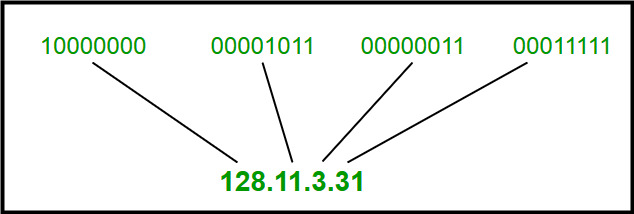
- It uses 32-bit addresses allowing for over 4 billion unique addresses.
- They are written in four decimal-separated octets like 192.168.1.1.
IPv4 features:
- 32-bit addressing: supports about 4.3 billion unique addresses.
- Dot-Decimal Notation: Written as four decimal numbers separated by dots(e.g. 192.168.1.1.).
- Packet Structure: Comprises a header(for routing) and a payload(data).
- Checksum Fields: Ensures header integrity through error-checking.
- Fragmentation: Splits packets if they are exceed the MTU.
- ARP: Maps IP address to hardware (MAC) addresses.
- Address Configuration: Supports both manual setup and dynamic assignment via DHCP.
- Limited Address Space: Led to IPv6 development due to demand for more addresses.
- NAT: Allows multiple devices to share a single public IP.
- Security: Lacks built-in security, relying on external protocols like IPSec.
Limitations:
- Limited Address Space: Cannot support the growing number of internet-connected devices.
- Complex Configurations: Rrquire manual setup or DHCP, which can be error-prone.
- Less Efficient Routing: the IPv4 header adds complexity, slowing down data processing.
- Security Issues: Lacks built-in security, requiring extra measures for protection.
- Limited QoS( Quality of Service): Struggles to prioritize data for real-time applications like VoIP(Voice over Internet Protocol) and video steam.
- Fragmentation: Packet fragmentation can reduce efficiency and increase data loss risks.
- Broadcasting Overhead: Uses broadcasting, leading to excessive network traffic and reduces performance.
IPV6
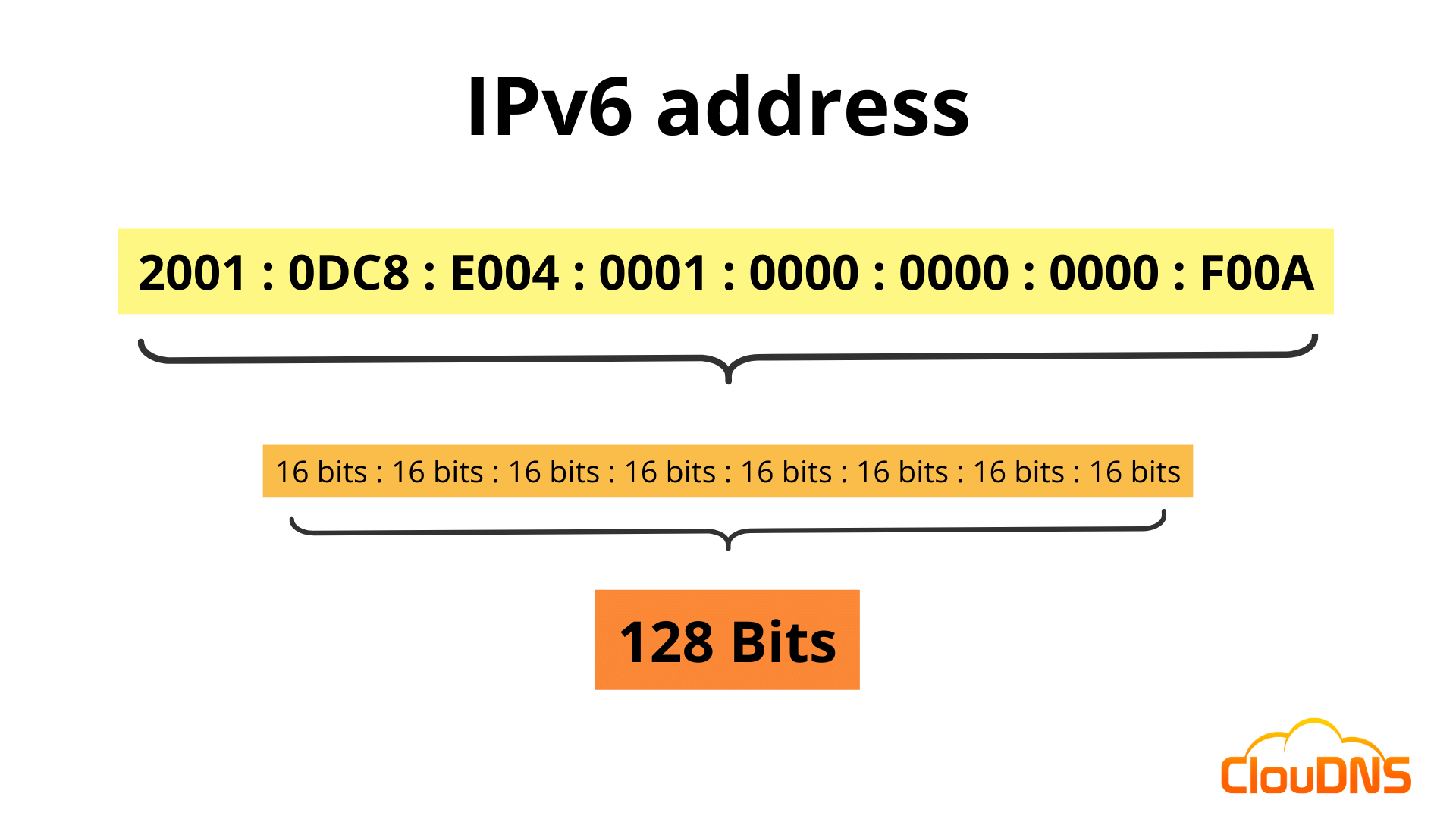
- IPv6 is the newer version of the IP, designed to replace IPv4 due to the growing number of devices.
- 128-bit addresses allow for a virtually unlimited number of unique IPs, compares to IPv4’s 32-bit system.
- IPv6 addresses are written in 8 groups of 4 hexadecimal digital separated by colons(e.g.
2001:0db8::1). - It improves routing efficiency and address management, supporting the expanding internet and mobile/IoT devices.
- To switch from IPv4 to IPv6, there are several strategies:
- Dual Stacking: Devices use both IPv4 and IPv6 simultaneously, allowing communication with networks using either version.
- Tunneling: IPv6 traffic is sent through an IPv4 network, creating a “tunnel” to reach other IPv6 users.
- NAT( Network Address Translation): Translates between IPv4 and IPv6 addresses, enabling communication between devices using different versions.
IPv6 Characteristics:
- Larger Address Space: Uses 128-bit addresses, providing a vast number of unique addresses.
- Efficient Header and Routing: Fewer header field and advances routing protocols (OSPFv3, RIPng) improve processing.
- No Broadcasts: Supports Unicast, Multicast and Anycast, reducing network traffic and enhancing efficiency.
- Flexible Configuration: Devices can self-assign IPs using SLAAC or use DHCPv6, with fragmentation handled by the sender.
✔ Learning Tip
Start with fundamentals. Understanding networking, Linux, and how the internet works will make advanced cybersecurity concepts much easier to grasp.
Start with fundamentals. Understanding networking, Linux, and how the internet works will make advanced cybersecurity concepts much easier to grasp.